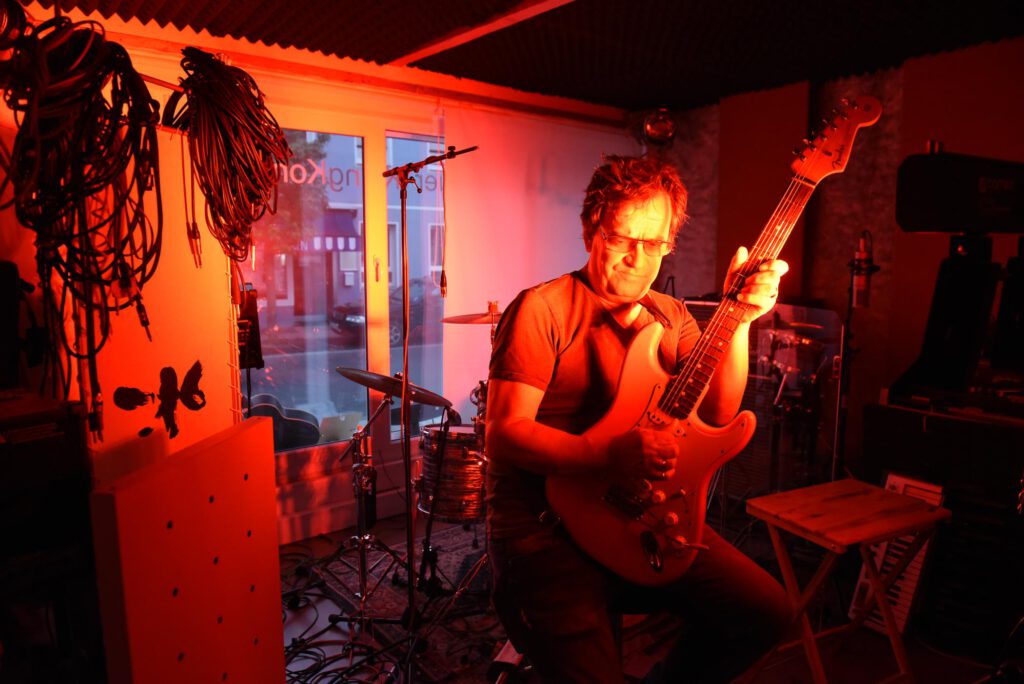
"Little Big Band" played for the first time in front of an audience
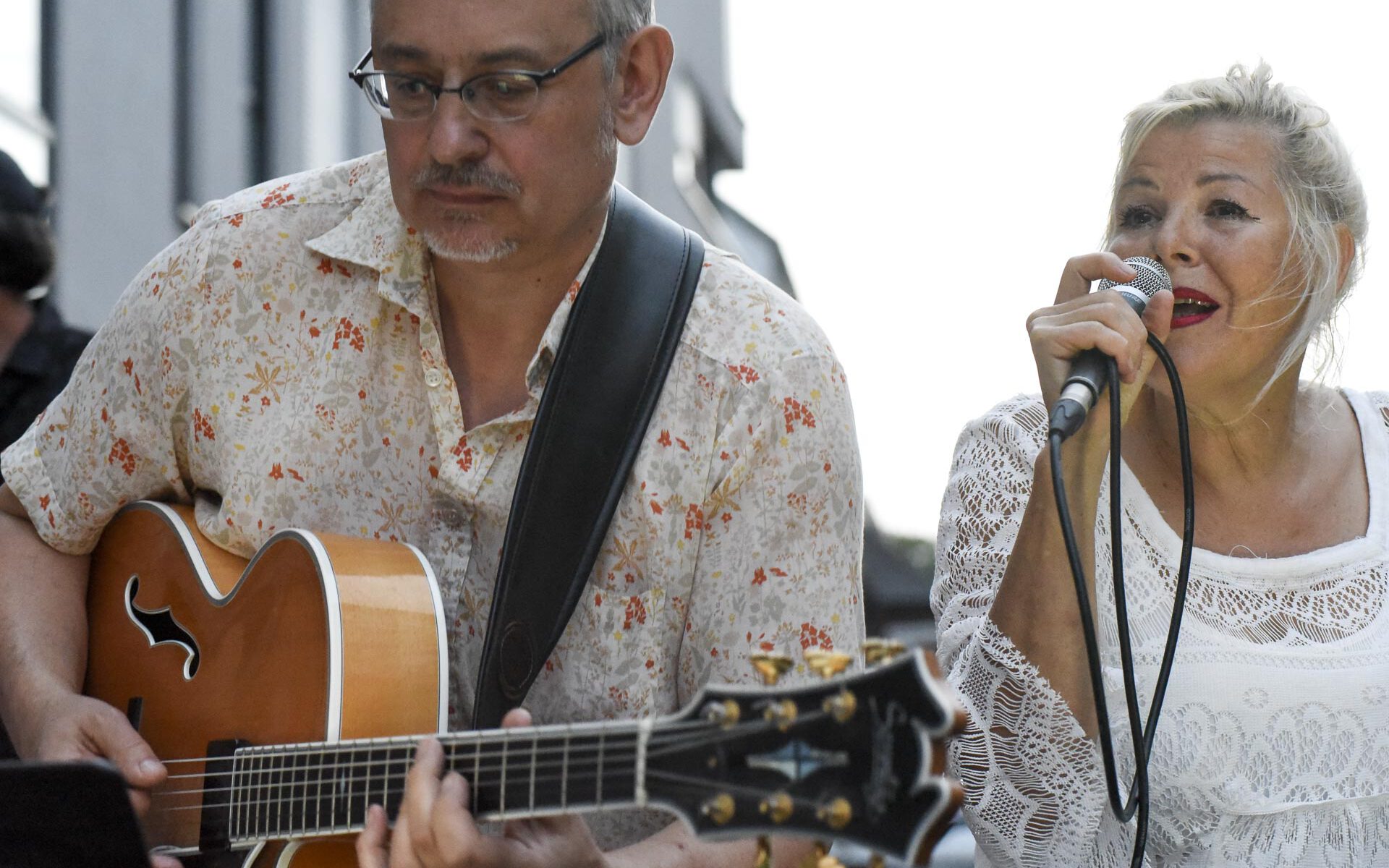
Musicians are always alone anyway, they always practiced that quarantine is "normal," explained guitarist Thomas Lämmle. For the first live concert in "Hugi's Bistro" after the Corona forced break, the "Little Big Band" was happy to play "in front of people" again, as the duo Lämmle and the singer Veronika "Hugi" Nemeth like to call themselves that evening.
„Little Big Band“ spielte zum ersten Mal wieder vor Publikum
Musiker seien ja sowieso immer allein, die übten ja immer, Quarantäne sei quasi „Normalzustand“, erklärte Gitarrist Thomas Lämmle. Zum ersten Livekonzert in „Hugi’s Bistro“ nach der Corona-Zwangspause freute sich die „Little Big Band“, wie das Duo Lämmle und die Sängerin Veronika „Hugi“ Nemeth sich an diesem Abend gerne nennt, einmal wieder „vor Menschen“ zu spielen.
Neighbour with a vein for old-fashioned townhouses
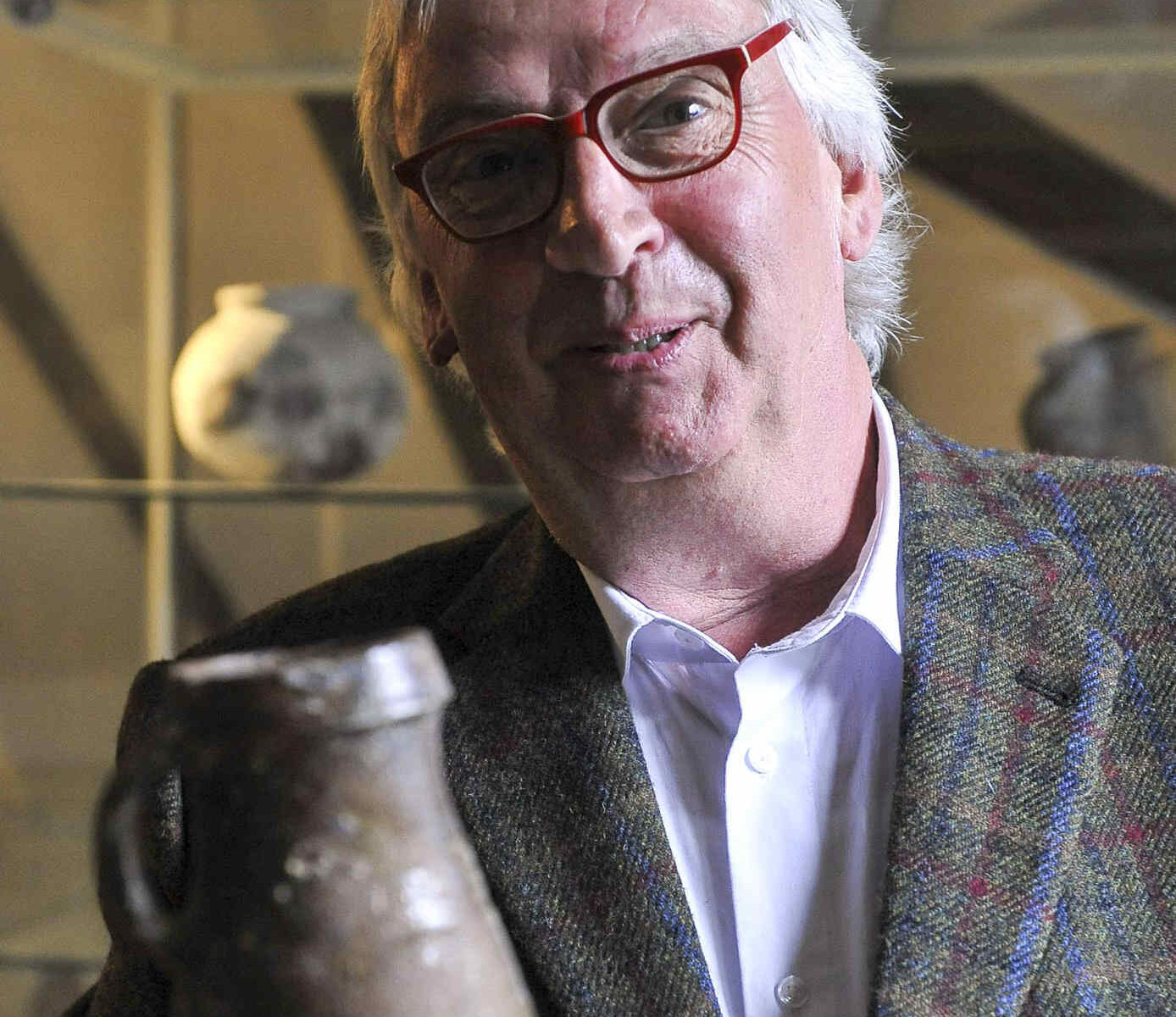
After a short, serious illness, the Brühler Herbert Poetes died on the morning of June 19, 2020. Our brief acquaintance comes to an abrupt end. It was only in the summer of two years ago that I met him as chairman of the museum association. There he immediately, quite bindingly, recognized himself as a "neighbor of opposite". A little later, on a Sunday morning – before my morning bartrasur – he sat at our kitchen table, quite energetic and in his typical, life-affirming way. "You have to know who you are dealing with," he said in his always somewhat blustering tone.
At that time he was concerned with the relocation of the milk bar in Carl-Schurz-Straße. As a relevant example of an economy of the 1950s, it was brought to the open-air museum Kommern by heavy transport. The preservation of this place, which he loved and frequented as a museum specimen, was one of many works that Herbert Poetes initiated in terms of the preservation of venerable Brühler houses.
Because "area renovation" was the keyword of the Brühler councillors at the end of the 1970s, when the Kaufhof moved into the city centre, Herbert Poetes had remembered at our first meeting. Their plans to demolish houses and open up canyons as access to the department store led to the birth of the initiative "Save Brühl, Now" under the direction of the artist Günter Krüger. At that time, the Kempishofstraße was to be expanded into a "main road".
"Today Kempishofstraße has become the flagship of the castle town. It was the initial ignition for the neighbors. Everyone started to renovate their houses."
Herbert Poétes, Chairman of the Museum Association
He was in his early 30s in demos, handouts and calls for signatures in the fight to preserve old houses, he told me. At that time, the initiative had suffered severe setbacks, as in the demolition of the Villa König at the end of the Mühlenbach, but the bottom line was that it had achieved successes. So the rescue of house no. 15 in Kempishofstraße. An old half-timbered building, "totally run down and then behind plaster", had proved to be a townhouse of some historical value from the 18th century and is said to have been the seat of the then castle architect Michael Leveilly.
The initiative resulted in the founding of the Museum Society e.V., of which the later chairman, Poetes, was one of its founding members. An association that received more than 500,000 Deutschmarks of capital from the Cultural Foundation of North Rhine-Westphalia for the renovation of today's Museum of Everyday History and was able to conclude an inheritance lease with the city for 30 years.
"Today Kempishofstraße has become a flagship for the castle town. It was the initial ignition for the neighbors. Everyone started to renovate their houses," poetes recalled. The museum society achieved similar success at House No. 10.
Today, the company uses the former furniture of a private individual as a ceramic museum with historical exhibits, but also as a cosy bistro and café. His voluntary work to preserve the two old Brühler houses was worthwhile. "That's what stays," the labor law lawyer said. Although he was retiring, the then 65-year-old said he continued to work, both in my career and in volunteering: "Otherwise I am far too bored and there is still so much beautiful to do."
Nachbar mit einer Ader für altehrenwerte Stadthäuser
Nach kurzer, schwerer Krankheit ist der Brühler Herbert Poëtes am Morgen 19. Juni 2020 gestorben. Ein jähes Ende findet damit unsere kurze Bekanntschaft. Erst im Sommer vor zwei Jahren habe ich ihn als Vorsitzenden des Museumsvereins kennengelernt. Dort gab er sich gleich, ganz verbindlich, als „Nachbar von gegenüber“ zu erkennen. Wenig später schon, saß er an einem Sonntagmorgen – noch vor meiner morgendlichen Bartrasur – bei uns am Küchentisch, recht energiegeladen und in seiner typischen, lebensbejahenden Art. „Man muss doch wissen, mit wem man es zu tun hat“, sagte er da in seinem immer etwas polternden Tonfall.
Damals ging es ihm um den Umzug der Milchbar in der Carl-Schurz-Straße. Als einschlägiges Beispiel einer Wirtschaft der 1950er Jahre wurde sie ja mittels Schwertransport in das Freilichtmuseum Kommern gebracht. Der Erhalt dieser von ihm heiß geliebten und frequentierten Örtlichkeit als Museumsexemplar war eines von vielen Werken, die Herbert Poëtes in Sachen Erhalt von altehrwürdigen Brühler Häusern angestoßen hat.
Denn „Flächensanierung“ habe Ende der 1970er Jahre das Stichwort der Brühler Ratsherren geheißen, als der Kaufhof in die Innenstadt zog, hatte sich Herbert Poëtes bei unserer ersten Begegnung erinnert. Deren Pläne, Häuser abzureißen und Straßenschluchten als Zufahrt zum Kaufhaus zu erschließen, habe unter der Regie des Künstlers Günter Krüger zur Geburt der Initiative „Rettet Brühl, jetzt“ geführt. Die Kempishofstraße habe man damals zur „Hauptverkehrsstraße“ ausbauen wollen.
„Heute ist die Kempishofstraße zum Aushängeschild der Schlossstadt geworden. Es kam zur Initialzündung für die Nachbarn. Alle fingen an ihre Häuser zu sanieren.“
Herbert Poëtes, Vorsitzender des Museumsvereins
Er sei, damals in seinen jungen 30ern in Demos, beim Verteilen von Handzetteln und bei Aufrufen zu Unterschriftenaktionen im Kampf um den Erhalt von alten Häusern dabei gewesen, erzählte er mir. Die Initiative habe damals herbe Rückschläge einstecken müssen, wie beim Abriss der Villa König am Ende des Mühlenbachs, unter dem Strich aber hatte sie Erfolge verbuchen können. So die Rettung des Hauses Nr. 15 in der Kempishofstraße. Ein altes Fachwerk, „total heruntergekommen und damals hinter Putz“ hatte sich als Bürgerhaus aus dem 18. Jahrhundert von einigem historischen Wert erwiesen und soll der Sitz des damaligen Schlossbaumeisters Michael Leveilly gewesen sein.
Die Initiative mündete in der Gründung der Museumsgesellschaft e. V., zu deren Gründungsmitgliedern der spätere Vorsitzende Poëtes zählte. Ein Verein, der über 500000 D-Mark Kapital von der Kulturstiftung Nordrhein-Westfalen zur Renovierung des heutigen Museums für Alltagsgeschichte erhielt und dafür mit der Stadt eine Erbbaupacht über 30 Jahre abschließen konnte.
„Heute ist die Kempishofstraße zum Aushängeschild für die Schlossstadt geworden. Es kam zur Initialzündung für die Nachbarn. Alle fingen an ihre Häuser zu sanieren“, erinnerte sich Poëtes. Ähnlichen Erfolg verbuchte die Museumsgesellschaft beim Haus Nr. 10.
Die ehemalige Stellmacherei einer Privatperson nutzt die Gesellschaft heute als Keramikmuseum mit historischen Exponaten, aber auch als gemütliches Bistro und Café. Seine ehrenamtliche Tätigkeit zum Erhalt der zwei alten Brühler Häuser habe sich gelohnt. „Das ist was Bleibendes“, sagte der Rechtsanwalt für Arbeitsrecht. Er beziehe zwar Rente sagte der damals 65-jährige, aber er arbeite weiter, im Beruf sowie im Ehrenamt: „Sonst ist mir viel zu langweilig und es gibt noch so viel Schönes zu tun.“
Organizers in the Corona-Lockdown set a blazing sign
For flaming messages, relevant trade, for lists of endangered species and as a signal of the highest danger, the color red keeps us. With red, there is a risk of deadly destruction, let us go even one step further.
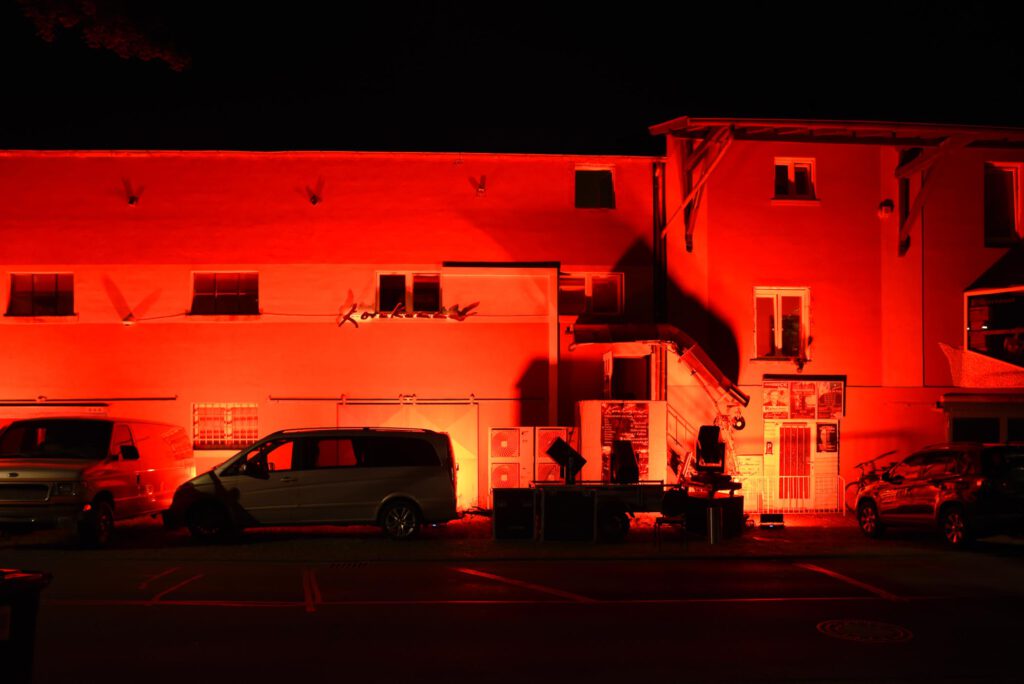
The Brühler Kornkammer also shines red on the night of Tuesday. The operator Rüdiger Tillmann currently describes his event operation as "dead". The list of cancelled events is long.
In Rüdiger and Magdalena Tillmann's granary, the operation has been suspended since mid-March.
Since 2017, he and his wife Magdalena have built up the event space, equipped with stage, light and sound system for concerts, readings, dance events and wedding sores. This year, the store at the foot of the former RAIBA granary in Kurfürstenstraße promised profits for the first time.
On Friday, March 13, 2020, he had to cancel a fully booked dance event "Dancing over 50" because of the risk of contagion, Tillmann said. Since then, the granary has been closed, his wife and he have lived on the reserves, which are actually incurred as advance payments for musicians and actors when contracts are awarded, or to cover monthly costs.
On the red list: the granary in the Brühler Kurfürstenstraße.
On Tuesday night, Rüdiger Tillmann, like many, many others in the event industry, dipped the facade of his event business in red light. The Night of Lights 2020 map had more than 9000 illuminated buildings in Germany. In Cologne it is also the cathedral or the Hohenzollern Bridge. From many living rooms it glows red on the night of Tuesday.
Red were often also places that are threatened at least as event space, together with their operators, to disappear completely from the scene, should the lockdown for organizers last even longer. These include places such as the stages of the Frechener Harlequin Theatre and the Pulheimer Walzwerk.
Musician Dieter Kirchenbauer reminded in his studio of those away from the big, subsidized stages.
The Bedburg musician Dieter Kirchenbauer has also illuminated the shop windows of his studio rooms in red. He wanted to show solidarity with the appeal of the organizers. But he also draws attention to the situation of musicians and actors. The vast majority work without the regulated employment contracts of the large stages, which are also subsidised in the Corona times. Emergency measures to absorb operating costs have been missed by their budget. "Many freelancers are in free fall," Kirchenbauer said.
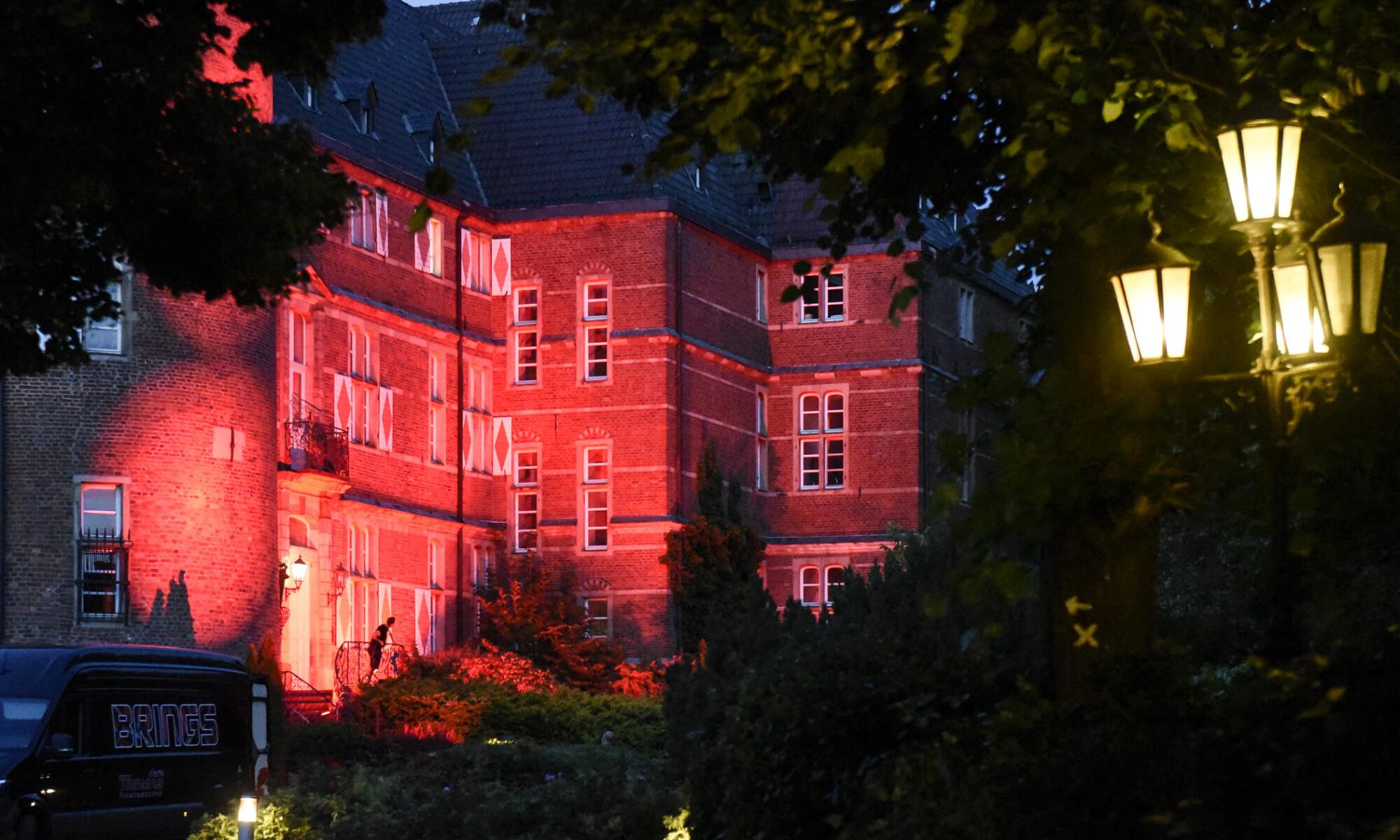
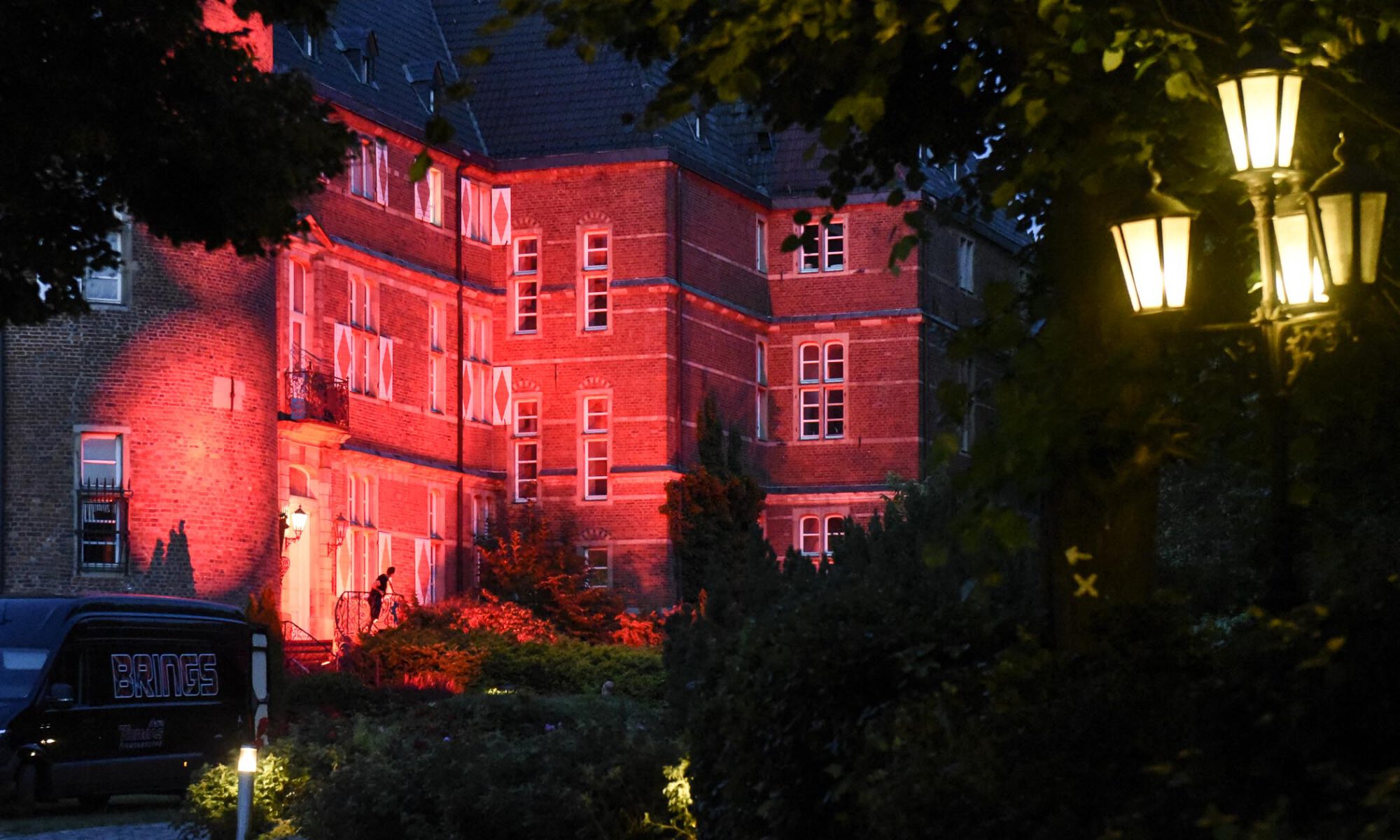
In Bedburg, the city's assembled event technicians dip the castle in red light. Dominique Hermann, who is self-employed, is also a married couple with three children. While others complained of a total failure of business, he could still count himself lucky. As a technician, he accompanies the Cologne rock band "Brings" to their performances in the car cinemas, so the family can make ends meet.
Veranstalter im Corona-Lockdown setzen ein flammendes Zeichen
Für flammende Botschaften, einschlägiges Gewerbe, für Listen bedrohter Arten und als Signal für höchste Gefahr hält die Farbe Rot bei uns her. Bei Rot droht tödliches Verderben, gehen wir auch nur einen Schritt weiter.
Rot erstrahlt in der Nacht zum Dienstag auch die Brühler Kornkammer. Als „tot“ beschreibt der Betreiber Rüdiger Tillmann derzeit seinen Veranstaltungsbetrieb. Die Liste der abgesagten Veranstaltungen sei lang.
In Rüdiger und Magdalena Tillmanns Kornkammer steht der Betreib seit Mitte März still.
Mit seiner Frau Magdalena habe er seit 2017 den Veranstaltungsraum aufgebaut, ausgestattet mit Bühne, Licht und Soundanlage für Konzerte, Lesungen, Tanzveranstaltungen aber auch Trauungen. In diesem Jahr habe der Laden zu Füßen des ehemaligen RAIBA-Kornspeichers in der Kurfürstenstraße zum ersten Mal Gewinne versprochen.
Am Freitag, den 13. März 2020 habe er dann eine ausgebuchte Tanzveranstaltung „Tanzen über 50“ absagen müssen, sicherheitshalber, wegen Ansteckungsgefahr, sagte Tillmann. Seitdem sei die Kornkammer geschlossen, seine Frau und er lebten von den Rücklagen, die eigentlich als Vorschusszahlungen für Musiker und Schauspieler bei Auftragsvergabe anfallen, oder zur Deckung monatlicher Kosten dienten..
Auf der roten Liste: die Kornkammer in der Brühler Kurfürstenstraße.
In Rotlicht tauchte Rüdiger Tillmann in der Dienstagnacht die Fassade seines Veranstaltungsbetriebes, so wie viele, viele andere aus der Veranstaltungsbranche. Über 9000 illuminierte Gebäude in Deutschland wies die Karte der Night of Lights 2020 auf. In Köln sind es auch der Dom oder die Hohenzollern Brücke. Aus vielen Wohnzimmern leuchtet es in der Nacht zum Dienstag rot.
Rot waren vielfach auch Orte, die bedroht sind zumindest als Veranstaltungsfläche, zusammen mit ihren Betreibern, gänzlich von der Bildfläche zu verschwinden, sollte der Lockdown für Veranstalter noch länger andauern. Dazu zählen Orte wie beispielsweise die Bühnen des Frechener Harlekin-Theater und des Pulheimer Walzwerks.
Musiker Dieter Kirchenbauer erinnerte in seinem Studio an diejenigen abseits der großen, subventionierten Bühnen.
Auch der Bedburger Musiker Dieter Kirchenbauer hat die Schaufenster seiner Studioräume rot beleuchtet. Er wolle Solidarität mit dem Appell der Veranstalter zeigen. Er mache aber auch auf die Situation von Musikern und Schauspieler aufmerksam. Der große Teil arbeite ohne die geregelten Arbeitsverträge der großen, auch in Coronazeiten subventionierten Bühnen. Soforthilfemaßnahmen zum Auffangen von Betriebskosten seien an ihrem Budget vorbei geflossen. „Viele Freiberufler sind im freien Fall“, sagte Kirchenbauer.
In Bedburg tauchen die versammelten Veranstaltungstechniker der Stadt das Schloss in rotes Licht. Hier macht auch Dominique Hermann mit, Soloselbstständig, verheiratet, drei Kinder. Während andere einen Totalausfall der Geschäfte beklagten, könne er sich noch glücklich schätzen. Als Techniker begleite er die Kölner Rockband „Brings“ zu ihren Auftritten in die Autokinos, damit komme die Familie so gerade über die Runden.
Even in the Corona-Lockdown, opinions were heard again and again, which might make the social isolation as a suitable period for contemplation, deceleration or source of a happy family life palatable to us. That would have been nice, insofar as I could have chosen to do so freely. For me, the hunger for closeness, encounter and engagement with the feeling, creation and thinking of others has only grown.
At that time, the substitutes for communal experience through electronic media remained astonishingly pale. I remember the growing anticipation during a car ride on a Saturday afternoon in the middle of the lockdown over like empty streets under a blue sky completely free of condensation strips. It was anticipation for the encounter with the former singer and founder of the Wise-Guys, Eddi Hüneke.
No substitute for voices and moods
In the basement of the Hürther detached house with Eddi Hüneke, I had to experience how an online choir rehearsal with the help of conference software with all the momentum of the moderator and as loving as detailed preparation can perhaps be a welcome distraction in the midst of uneventful times. It was no substitute, however, for the communal experience of a real singing rehearsal amid the vibrations of human voices and moods.
The lockdown also reminded us of the monetary situation of most cultural workers. They are threatened with impoverishment if the game fails before and with the audience, if stage appearances or exhibition openings are cancelled. "We live from hand to mouth," one singer told me in a phone call.
No repayment of grants
These days, the district committee also joined the initiative of the Landrat Michael Kreuzberg to promote the cultural scene in the Rhein-Erft district. The district now wants to dispense with the repayment of district grants already paid for association work, cultural institutions and artistic projects. But is it sufficient to repay the artists, or are it perhaps not also more creative approaches on the part of the circle?
But it is not only the financial hardship that drives musicians to the streets in the literal sense of the word, namely to concerts in the open air, but "because we need culture," said jazz trumpeter Susanne Riemer at the presentation of a hygiene concept for live concerts, presented in her garden with her duo partner, the guitarist Wilhelm Geschwind.
With "Nahbesprechung.net" I would like to offer all cultural professionals and their audience a place to discuss their ideas and to see things up close, discuss them and bring you closer.